“Mum, mum, mum.”
For many women, it is the word that comes to define entire days. It cuts through everything: conversations, thoughts, even moments of quiet – until it becomes a constant background noise.
Life becomes a rush of competing demands: children needing attention at the same time, dinner half-prepared, questions coming from every direction. A partner speaking while your mind is already stretched to capacity. The sensory overload builds quietly, then all at once.
And somewhere in that noise, something else begins to fade.
The things that once felt important – reading, conversation, taking a shower (!) – slip further out of reach. Not always because they cannot be done, but because there is no space left to care about them in the same way. Priorities shift. Time disappears. Identity becomes tied to a single role.
For many women, it is not just life that changes after having children, but their sense of self.
A reality that does not often make headlines, but it is one that Tanika Mackinnon sees every day.
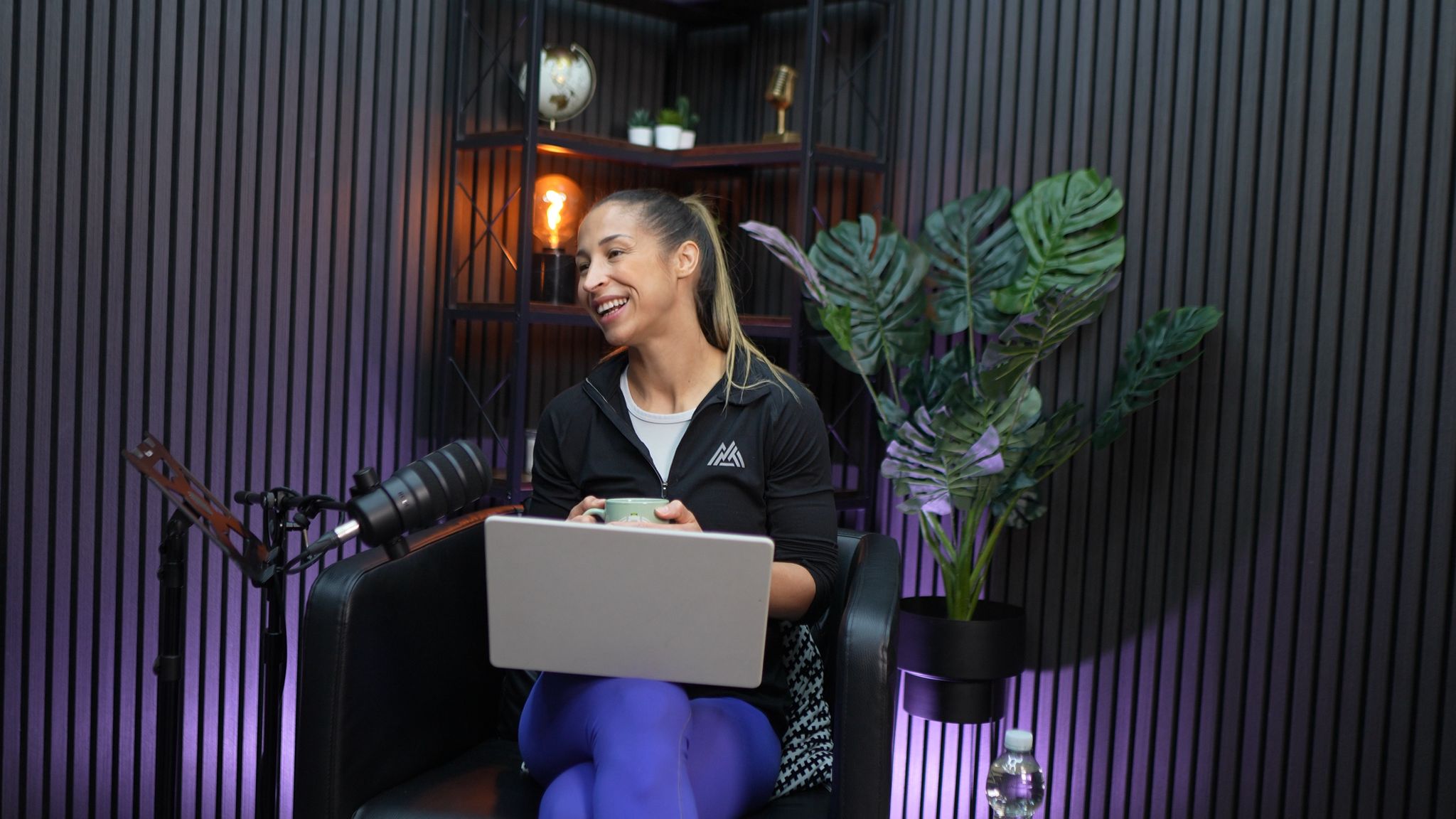
Now based in Scotland, Tanika has spent years working in the fitness and wellbeing space, supporting women through major life transitions. A former professional ice skater who moved to the UK more than a decade ago, her career has evolved into helping women rebuild confidence, routine and identity, particularly after motherhood.
“Becoming a mum is one of the biggest shifts a woman will ever go through,” she explains. “There is so much pressure, so much responsibility, and often very little space left for yourself. You can lose that sense of identity without even realising it.”
While many clients initially come to her for physical goals, Tanika says the real transformation runs deeper.
“People think they want to look different,” she explains. “But what they are really looking for is to feel better and more like themselves again.”
As more women juggle careers, parenting and increasingly demanding lives, self-care has shifted from a luxury to something essential. Yet finding the time and mental space for it remains a challenge.
For many, the issue is the constant mental load.
“You are thinking about everything all the time,” Tanika says. “Work, the kids, the house, the next thing on the list. There is always something else that needs to be done. It becomes very easy to put yourself at the bottom of that list.”
This is where structured fitness and coaching begin to play a different role.
Rather than adding another task, Tanika describes it as creating space — a moment where decisions are removed and the focus shifts back to the individual.
“Sometimes it is as simple as showing up and not having to think,” she says. “Being told what to do, having that hour for yourself. That alone can be incredibly powerful.”
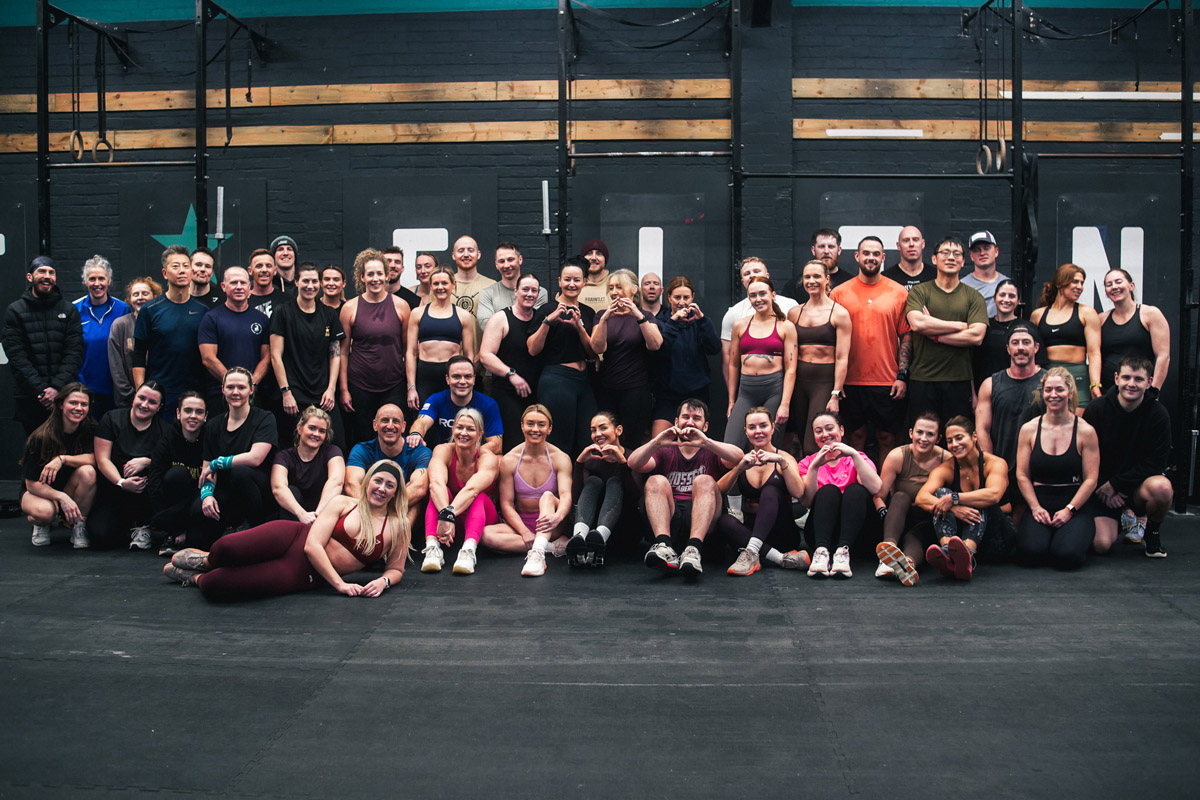
At Base Fitness & CrossFit in East Kilbride, where Tanika coaches, that philosophy is built into the environment. The gym focuses on structured coaching and community, rather than traditional gym culture.
There are no mirrors — not a single one — shifting the focus away from appearance and towards how people feel and progress.
Inclusivity is central to the approach. With many members aged 35 and above, programmes are designed to support people at every stage, whether they are new to training or returning after time away. For many women, that combination creates a space where they feel safe to show up consistently.
“With more people working from home or spending more time isolated, that sense of community really matters,” she explains. “It is not just about the workout. It is about being around other people, having support, feeling part of something.”
For many women, particularly mothers, that environment becomes more than a place to train. It becomes a support system.
“You might not have the same social life you once had. But being in a space where people know you and support you can make a huge difference,” she says.
Her approach combines online coaching with in-person training touchpoints, alongside ongoing support in nutrition, lifestyle and accountability beyond the gym. It reflects a shift within the fitness industry towards more personalised, long-term and sustainable change.
“Fitness is just one part of it,” Tanika says. “It is about building habits, creating structure and supporting people in their everyday lives. That is what helps them move forward.”
At 37 and a mother of two, she speaks from experience as much as expertise. “I know what this phase of life looks like,” she says. “I know how much women are carrying. And I know how important it is to have the right support in place.”
While many begin their journey wanting to change how they look, Tanika believes the real outcome is something more meaningful.
“What you see over time is a complete shift,” she says. “Confidence comes back. Energy improves. People start to feel more in control again. That is the real success.”
In a world where the demands on women continue to grow, it is a reminder that the biggest transformations are not always the most visible. Sometimes, they begin with something as simple as carving out an hour and choosing, for once, to show up for yourself.